Written by:
 Jayson Hardie – Chief Executive Officer- (636) 256-5712
If you ask ten people what credit score you need to buy a home, you’ll probably hear answers like 700, 720, or even 750.
Somewhere along the way, many prospective homebuyers became convinced that unless they have “excellent” credit, homeownership simply isn’t an option. The reality is much different.
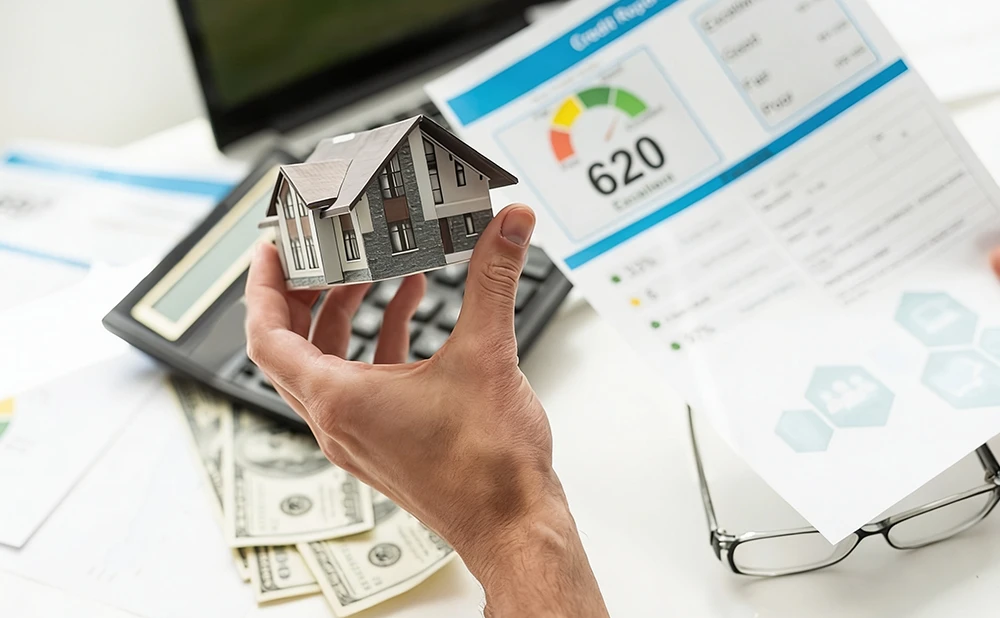
For many borrowers, a 620 credit score can absolutely be enough to qualify for a mortgage. It may not qualify you for the absolute lowest available interest rate, but it can allow you to buy a home and begin building equity instead of continuing to rent.
That’s an important distinction because waiting for perfect credit often comes with a cost.
Good Enough Doesn’t Mean Perfect
There’s a misconception that lenders expect borrowers to have spotless credit histories. While higher credit scores generally result in better loan pricing, mortgage lending has never been about one number alone. A lender is looking at the complete financial picture.
Your income, employment history, monthly debt obligations, available savings, and overall financial stability all play a role in determining whether you qualify. Your credit score is simply one piece of that puzzle.
A borrower with a 620 credit score, stable employment, manageable debt, and consistent income may be in a stronger position than someone with a much higher score but significant financial challenges elsewhere.
Why Many Buyers with a 620 Score Choose FHA
One of the biggest misconceptions is that every borrower with a 620 score automatically needs a Conventional loan. In reality, many first-time buyers find that an FHA loan offers the better path to homeownership.
FHA financing allows qualified borrowers to purchase a home with as little as 3.5% down and is designed to help buyers who may not have years of perfect credit history or large savings accounts.
Conventional financing is still available to many borrowers with credit scores around 620, but the right loan depends on the complete financial picture, not just the score itself.
That’s why getting pre-approved is so valuable. It allows a loan officer to compare your options and determine which program provides the best combination of payment, costs, and long-term savings.
Should You Wait Until Your Score Improves?
This is where many buyers accidentally cost themselves money. A higher score can reduce your interest rate and save money over the life of your loan. But, while improving your credit score is always a worthwhile goal, that doesn’t automatically mean waiting is the best financial decision.
If home prices continue to appreciate while you’re spending six to twelve months trying to improve your score, the increase in the home’s purchase price could easily outweigh the monthly savings from a lower interest rate. It’s a similar idea to waiting for rates to drop – it doesn’t always pay to wait.
Nobody can predict exactly what home prices or mortgage rates will do next. What we do know is that building equity starts the day you become a homeowner, not while you’re waiting on the sidelines. You can always refinance your mortgage if interest rates fall or your credit score improves. You can’t go back and buy the home for what it cost a year ago.
Small Improvements Can Still Make a Difference
If you’re close to a 620 score, there are a few ways to help strengthen your mortgage application before purchasing.
Paying down revolving credit card balances, making every payment on time, avoiding new debt, and reviewing your credit report for errors can all have a meaningful impact.
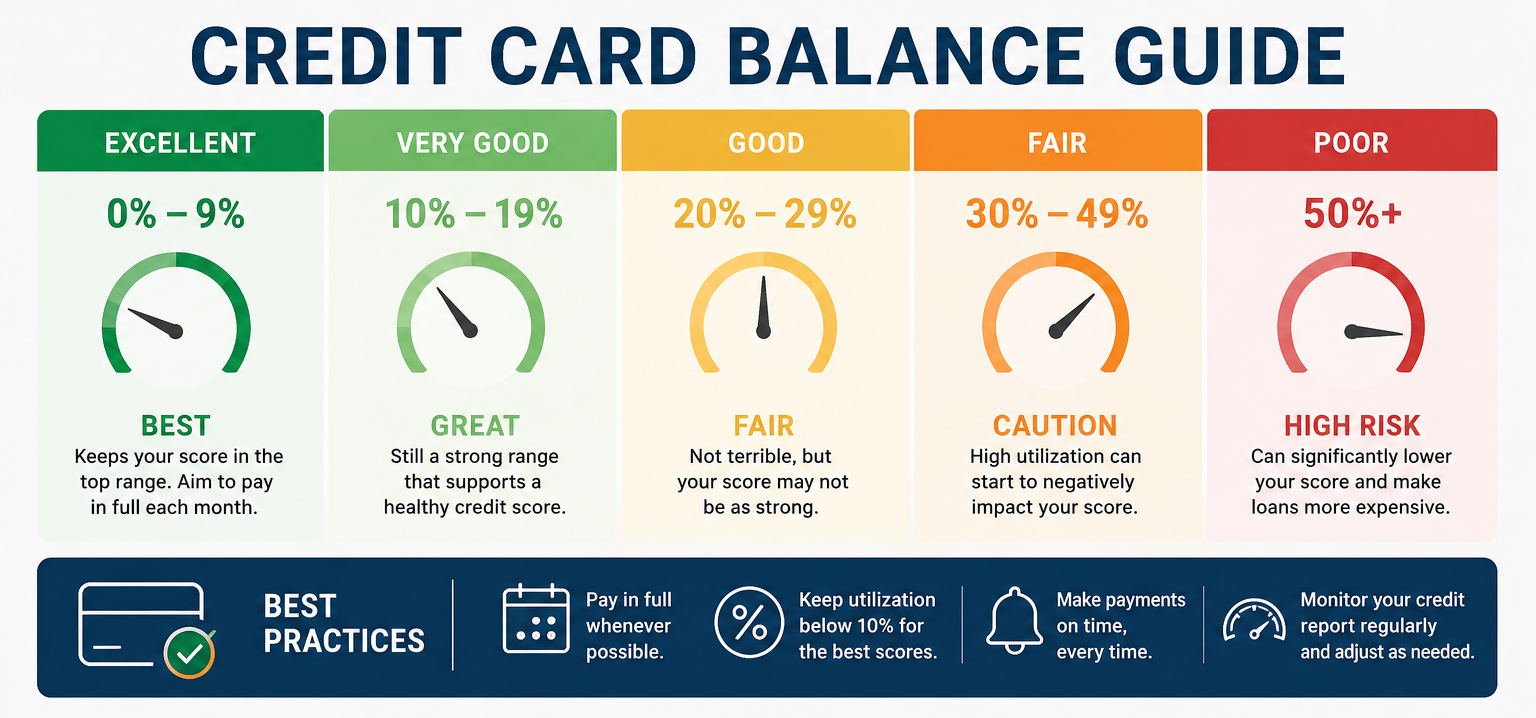
Even a modest improvement in your credit profile may expand your loan options or reduce your monthly payment.
Don’t Stop Improving After You Buy
One of the best things you can do for your credit is continue building positive payment history after you become a homeowner. Making your mortgage payment on time each month can strengthen your credit profile over time. If interest rates fall in the future, a higher credit score may help you qualify for even better pricing when it’s time to refinance.
Buying a home doesn’t mean you’re finished improving your credit. In many ways, it’s just the beginning.
Don’t Wait for the Perfect Score
People often wait for a 700 credit score before talking to a lender. The better strategy is the opposite. Talk to a lender first when you start thinking about buying. If you’re ready, great. If you’re not, you’ll leave with a clear plan to get there. Either way, you’re moving forward instead of guessing.
The only way to know where you stand is to have the conversation. At Homestead Financial Mortgage, that’s exactly what we help buyers do every day.