
What It Means for Home Buyers
The Renewing Opportunity in the American Dream (ROAD) to Housing Act is one of the most comprehensive housing reform packages considered in decades.
The 21st Century ROAD to Housing Act officially became law on July 11 after clearing the Senate by an 85-5 vote and passing the House with broad bipartisan support. The overwhelming level of agreement surrounding the legislation is unusual and reflects just how significant America’s housing shortage has become.
For prospective homebuyers, the bill represents an important step toward addressing long-term housing affordability. But there’s one important thing to understand:
The housing shortage wasn’t created overnight, and it won’t be solved overnight either.
If you’re waiting for this legislation to suddenly make homes less expensive or dramatically increase inventory, you could end up sitting on the sidelines while prices continue to move higher.
The Real Problem: There Simply Aren’t Enough Homes
For years, conversations about housing affordability have focused on mortgage rates. While interest rates certainly affect monthly payments, they aren’t the root cause of today’s affordability challenges.
The bigger issue is supply.
The United States is home to more than 335 million people, but only about 82 to 85 million single-family homes. Even more importantly, only a small percentage of those homes are actually for sale at any given time. That imbalance has fueled competition, pushed prices higher, and made buying a home increasingly difficult in many markets.
When demand consistently outpaces supply, prices naturally rise, and that’s the problem lawmakers are trying to address.
What Is the 21st Century ROAD to Housing Act?
The Renewing Opportunity in the American Dream (ROAD) to Housing Act is one of the most comprehensive housing reform packages considered in decades.
Rather than focusing on a single solution, the legislation combines dozens of housing initiatives designed to increase housing supply, modernize federal housing programs, expand access to mortgage financing, and encourage communities to build more homes.
How Could This Help Future Homebuyers?
Now that the law has been enacted, implementation will take time. Many of its provisions will be rolled out over the coming years, meaning buyers are unlikely to see immediate changes in today’s housing market.
More Housing Construction
One of the bill’s primary objectives is increasing the nation’s housing supply.
The legislation includes measures intended to reduce barriers to development, streamline certain approval processes, encourage local housing construction, and make it easier for communities to add new homes.
More homes on the market could eventually mean:
- More choices for buyers
- Less competition
- More balanced pricing
- Greater affordability over time
The challenge is timing. New developments take time. Planning, permitting, infrastructure, and construction all take years, meaning buyers shouldn’t expect an immediate increase in available inventory.
Expanded Access to Homeownership
The legislation also seeks to make homeownership more attainable by modernizing several housing and mortgage programs.
Depending on how individual provisions are implemented, buyers could eventually benefit from:
- Expanded homebuyer education and counseling
- Improvements to mortgage financing programs
- Modernized underwriting standards
- Additional support for first-time buyers
- Increased access to affordable lending options
These changes are intended to help qualified buyers navigate today’s market more successfully while improving access to financing.
Support for Affordable Housing
Another major focus is encouraging the development and preservation of affordable housing.
The legislation includes provisions supporting community development, housing rehabilitation, manufactured housing, and other initiatives designed to increase the availability of homes at a wider range of price points.
While these efforts won’t completely solve affordability, they represent long-term investments aimed at improving housing availability across the country.
What This Doesn’t Mean
It’s important to keep expectations realistic.
The passage of the ROAD Act does not mean that home prices are about to fall dramatically.
It doesn’t mean mortgage rates will suddenly drop.
And it doesn’t mean buyers should expect a flood of new homes to appear this year.
Housing markets move slowly. Local governments still need to implement many of the policies encouraged by the legislation, builders need time to complete projects, and supply takes years to catch up after years of underbuilding.
Should Buyers Wait?
For many people, the answer is probably no.
If you’re financially ready to purchase a home today, waiting several years for additional inventory could end up costing more than buying now.
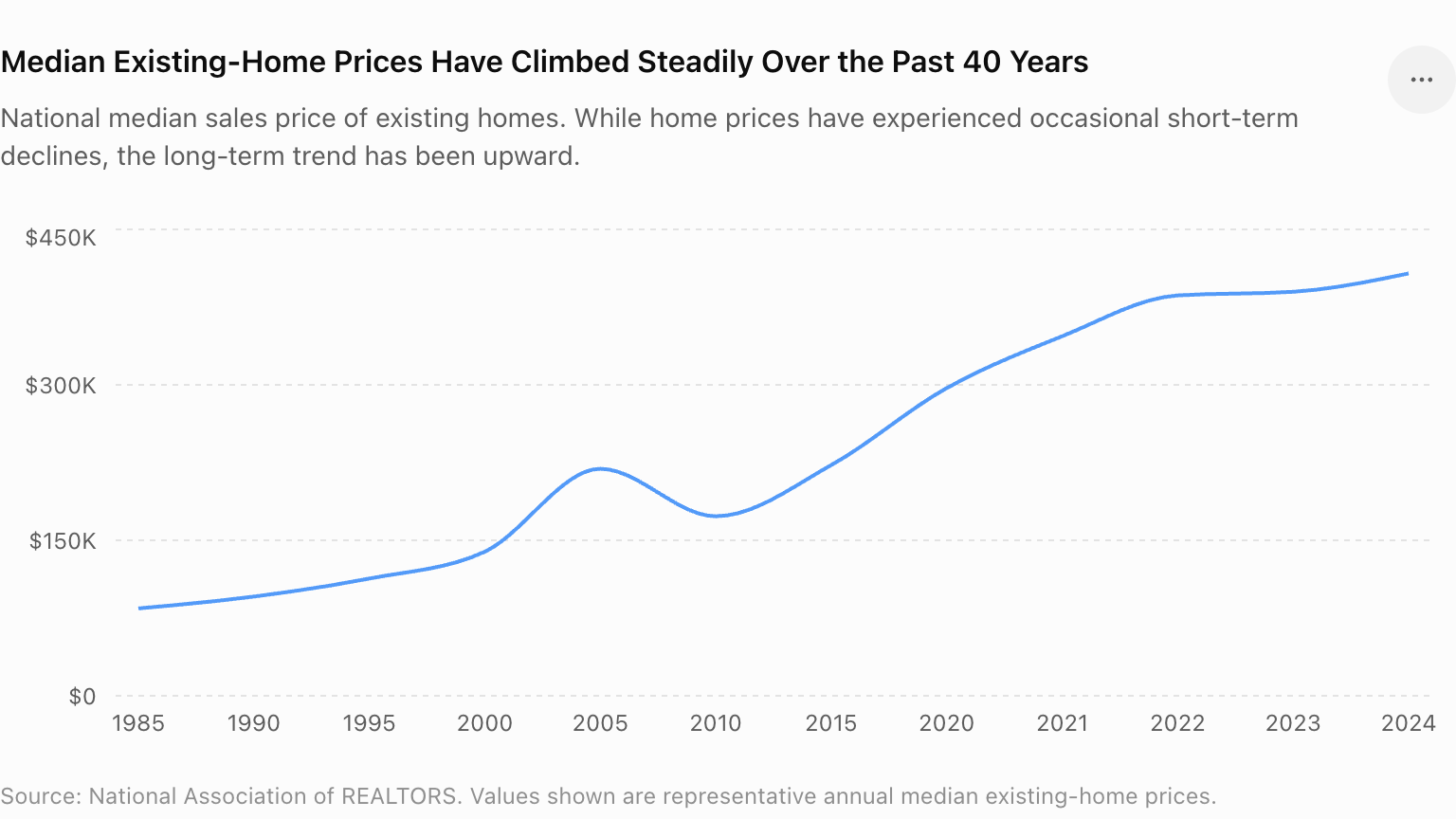
Historically, home values have tended to appreciate over time. While mortgage rates can change, and often can be refinanced later, the purchase price of a home is permanent.
That’s why the best time to buy isn’t necessarily when headlines say the market is perfect. It’s when your finances, goals, and monthly budget align with homeownership.
The ROAD Act is encouraging because it acknowledges a problem that has been building for years and takes meaningful steps toward addressing it. But its biggest benefits are likely to be felt gradually over the next several years rather than immediately.
The Bottom Line
The 21st Century ROAD to Housing Act is a significant milestone in the national conversation about housing affordability. With overwhelming bipartisan support, lawmakers have signaled that increasing America’s housing supply is a priority and that long-term solutions are needed.
That’s good news for future homebuyers.
But if you’re ready to buy today, don’t assume waiting will necessarily put you in a better position. The legislation may help create a healthier housing market over time, but today’s opportunities are still driven by your financial readiness, the homes available in your local market, and choosing the right mortgage strategy for your goals.